Posted by Spycor Building on Mar 12th 2025
Which thickness is right for your Siding, Stucco, or Stone project?
For modern residential and commercial builders, the question is no longer "Do I need a rainscreen?" but rather "How much of a gap do I actually need?"
With moisture-related litigation on the rise and building codes becoming more stringent, choosing between a 6mm (1/4") and a 10mm (3/8") drainage mat is a critical technical decision. This guide breaks down the performance differences, code requirements, and material compatibility to help you make the right call for your next envelope.
1. The 6mm (1/4") Drainage Mat: The "Code-Minimum" Workhorse
The 6mm rainscreen, such as the
-
Best For: Fiber cement siding (James Hardie), vinyl, and metal panels.
-
The Advantage: It provides a consistent capillary break that exceeds the 3/16" (5mm) requirement found in many high-performance building codes. It is low-profile, meaning it won’t significantly "bump out" your window and door trim, making flashing integration simpler.
-
Performance: Excellent for drainage (liquid water removal), but offers moderate ventilation (airflow for drying).
2. The 10mm (3/8") Drainage Mat: The High-Performance Standard
When you move to a 10mm mat, like the
-
Best For: Natural wood siding (cedar), stucco, manufactured stone veneer, and coastal/high-wind regions.
-
The Advantage: The 10mm gap creates a much larger chimney effect. This increased airflow is vital for materials that hold a high "reservoir" of moisture (like stone or stucco) or materials prone to warping/cupped edges (like wood).
-
The "Mortar" Factor: For stone and stucco, the 10mm thickness is essential to prevent mortar from "bridging" the gap and clogging the drainage path during installation.
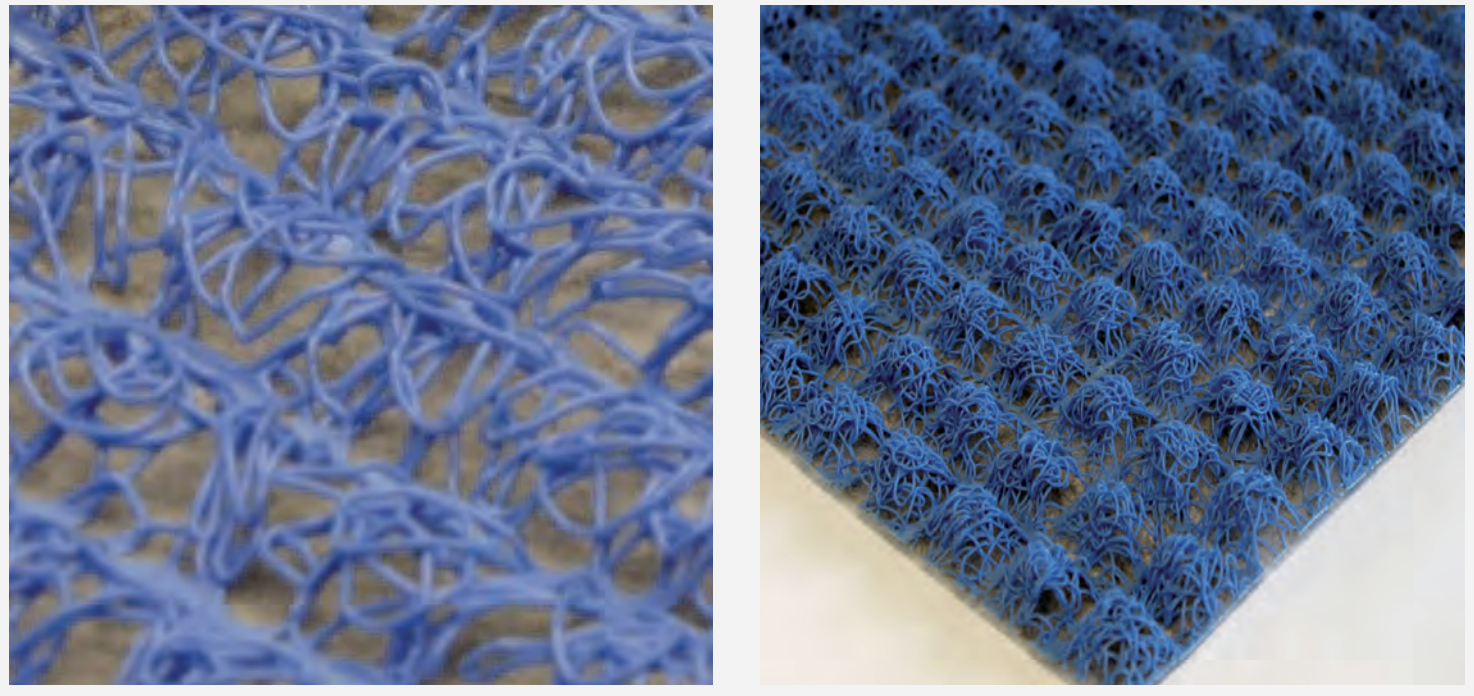
Technical Comparison: 6mm vs. 10mm
| Feature | 6mm (1/4") | 10mm (3/8") |
| Primary Goal | Drainage & Capillary Break | Maximum Drying & Ventilation |
| Trim Integration | Easy (Standard 1x trim) | Requires deeper trim or build-out |
| Material Fit | Fiber Cement / Vinyl | Wood / Stone / Stucco |
| Code Status | Exceeds IRC R703.1 | Exceeds all North American Codes |
| Cost | Most Economical | Premium Performance |
Which Should You Choose for Your Cladding?
For Wood Siding
Winner: 10mm. Wood is organic and "moves" with moisture. The 10mm gap ensures the back of the wood stays as dry as the front, preventing the differential pressure that causes boards to cup, crack, or peel paint prematurely.
For Fiber Cement & Engineered Wood
Winner: 6mm. Products like HardiePlank® perform beautifully with a 6mm mat. It provides the necessary drainage plane to protect the OSB sheathing without creating a bulky wall profile that complicates trim installation.
For Manufactured Stone & Stucco
Winner: 10mm. These are "reservoir claddings." They soak up water and hold it. Furthermore, the scratch coat for stucco can often press into a thinner mat. The 10mm depth provides the "insurance" needed to keep the drainage path clear of debris and mortar.
The Verdict: Don't Step Down on Performance
While a 6mm mat meets the letter of the law in most jurisdictions, the 10mm mat is the gold standard for builders who want to eliminate the risk of moisture-related callbacks entirely.
If you are building in a "Climate Zone 4" or higher, or anywhere with high annual rainfall, the extra 4mm of air space is the cheapest insurance policy you will ever buy for your building envelope.
Ready to Spec Your Next Project?
Explore our full inventory of professional-grade rainscreens and accessories to find the perfect fit for your build.

FAQ: Technical Specs for 6mm & 10mm Rainscreens
Does a 10mm rainscreen make my siding "spongy" or soft?
No. When using a high-compressive strength mat like Mortairvent®, the polymer mesh is designed to resist compression from siding fasteners. Whether you choose 6mm or 10mm, the siding remains rigid against the wall, provided you follow the manufacturer's nailing schedule.
Can I use 6mm for stone veneer to save on trim costs?
While 6mm provides a capillary break, it is risky for stone veneer. The "scratch coat" (mortar) used in stone installation can easily press into a 6mm cavity, "bridging" the gap and blocking drainage. 10mm is the industry best practice for stone to ensure the drainage plane remains open.
Do I need a different starter strip for 10mm mats?
Yes. Because the 10mm mat is thicker, you should use a compatible 10mm (3/8") SV Starter Strip or bug screen. This ensures the bottom of the wall is closed off to pests while still allowing water to exit and air to enter.
Is 6mm enough to meet the "Oregon/Washington" code?
Most Northwest building codes require a minimum 3/16" (approx. 5mm) drainage gap. Both the 6mm and 10mm options exceed this requirement, making them fully code-compliant for high-moisture zones.
Will 10mm rainscreens interfere with my window flashing?
10mm does require more attention to detail at window and door transitions. You may need to use thicker trim (like 5/4 boards) or "build out" your casings so the siding doesn't sit proud of the trim. For projects with standard 1x trim, 6mm is often the easier "plug-and-play" fit.
Does the 10mm gap improve the R-Value of my wall?
While the air gap itself provides a negligible increase in R-value, its real benefit is protecting your insulation. By keeping the wall cavity dry, a 10mm rainscreen ensures your mineral wool or fiberglass batts maintain their full thermal performance, as wet insulation loses its R-value rapidly.