Posted by Spycor Building on Mar 31st 2025
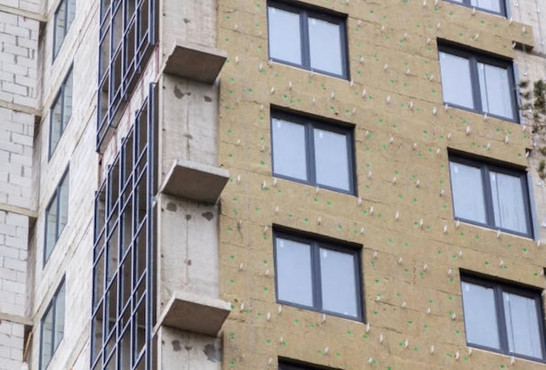
Building envelope failure is often the result of a single overlooked detail: trapped moisture. For US homebuilders and building envelope contractors, the shift toward tighter building enclosures has made high-performance rainscreen systems a non-negotiable requirement rather than an optional upgrade.
Whether you are managing a high-rise commercial project or a custom residential build, selecting a rainscreen that balances drainage, ventilation, and ease of installation is critical to long-term structural integrity and liability reduction.
The Engineering Behind Modern Rainscreen Systems
A rainscreen is not just a barrier; it is a scientifically managed drainage plane designed to defend the structural integrity of the building envelope. By creating a dedicated, continuous air cavity between the exterior cladding and the water-resistive barrier (WRB), you establish a high-performance "drying zone" that mitigates the risk of rot, mold, and systemic wall failure.
In modern building science, this gap allows for three critical, performance-driven functions:
-
Capillary Break: It stops water from being sucked into the wall assembly via surface tension.
-
Pressure Equalization: It neutralizes the pressure difference between the exterior and interior, preventing wind-driven rain from being "sucked" into the sheathing.
- Convective Drying: By facilitating consistent airflow from the bottom of the wall to the top, the system uses natural convection to evaporate residual moisture vapor before it can condense on sensitive structural members.
The industry has transitioned away from primitive furring strips toward structured drainage mats and dual-chamber membranes. These advanced HDPE (High-Density Polyethylene) systems offer significantly higher compression strength, ensuring the drainage path remains open even under the heavy clamping force of cladding fasteners, while providing the predictable, unobstructed airflow required by today's rigid building standards.
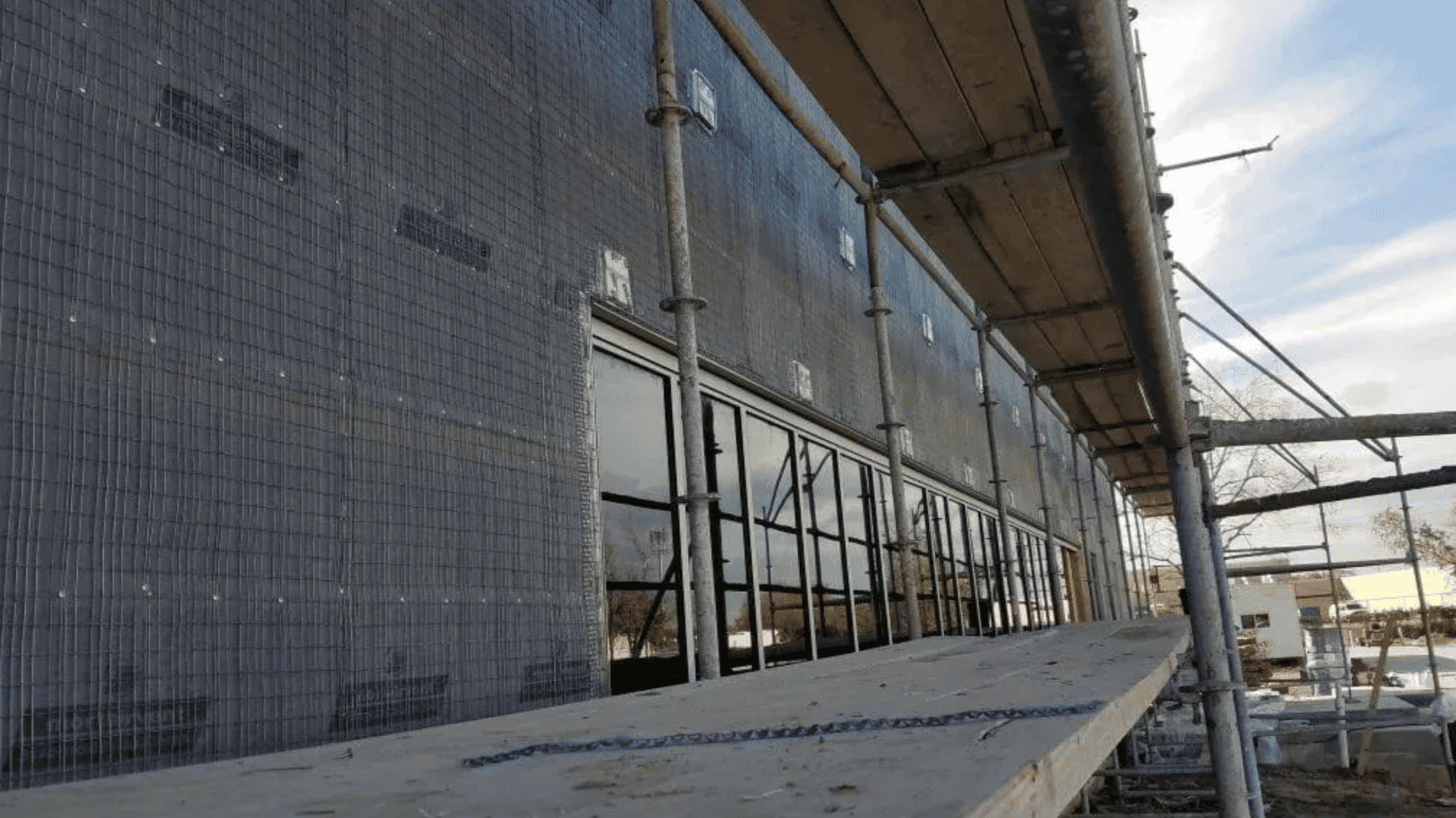
Top Rainscreen Solutions for Building Professionals
1. Advanced Drainage Mats (The Contractor Workhorse)
For most residential and light commercial projects using fiber cement, wood, or metal siding, structured drainage mats like Mortairvent® remain the gold standard.
-
Why Contractors Use It: The 6mm or 10mm thickness provides a guaranteed drainage gap that cannot be compressed by the cladding fasteners.
-
Key Advantage: The integrated filter fabric prevents mortar or debris from clogging the drainage path, ensuring that the "scent of water" always leads downward and out of the wall.
2. High-Performance Stone & Stucco Rainscreens
Adhered masonry and stucco are "reservoir claddings," meaning they hold water and release it via solar-driven moisture vapor. Standard wraps are often insufficient here.
-
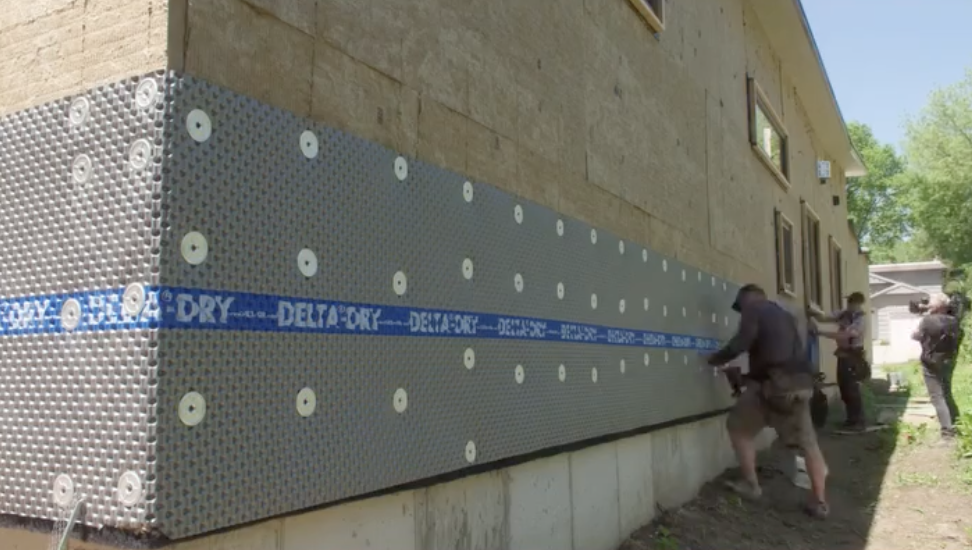
The Professional Choice: Products like DELTA®-DRY STUCCO & STONE utilize a 3-dimensional dimple design.
-
2-in-1 Efficiency: These systems feature a factory-installed mortar screen. This prevents the scratch coat from filling the air gap, saving on material costs and ensuring the ventilation remains clear.
Technical Comparison: 6mm vs. 10mm Rainscreens

Ready to Secure Your Building Envelope?
Don't leave your moisture management to chance. Ensure your next project features a dedicated drainage plane that stands up to wind-driven rain and solar-driven vapor.
Shop All Rainscreen Systems & Drainage Mats at Spycor Building
FAQ: Rainscreen Systems
Do I really need a rainscreen if I use a high-quality WRB?
Yes. A WRB (Water-Resistive Barrier) is only half the solution. While a WRB stops bulk water, a rainscreen provides the air gap necessary for drying. Without that gap, moisture stays trapped against the WRB, eventually leading to "surfactant issues" or mold.
What is the best rainscreen for manufactured stone veneer?
For stone veneer, a system with an integrated mortar screen, such as DELTA®-DRY STUCCO & STONE, is recommended. This prevents the heavy mortar from clogging the drainage path, which is a common failure point in stone installations.
Can rainscreens improve energy efficiency?
While not their primary job, rainscreens provide a "thermal break" that can reduce heat transfer into the building. By venting the air behind the cladding, the exterior wall stays cooler in the summer, reducing the load on the HVAC system.
Is a 6mm gap enough for residential builds?
In most US climate zones, a 6mm (1/4") gap is the industry standard for providing adequate drainage and ventilation for siding products like fiber cement or cedar.