Posted by Spycor Building on Nov 26th 2025
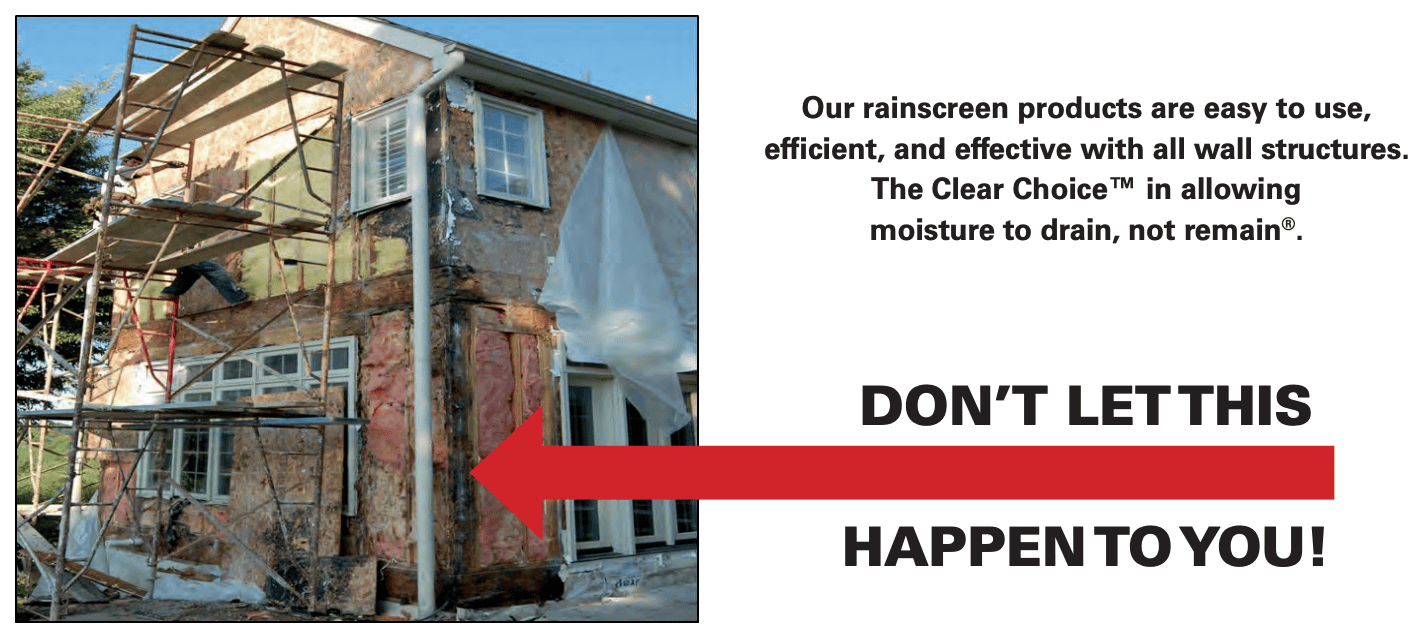
Protecting the longevity and structural integrity of a new home or commercial property requires a robust defense against one relentless enemy: moisture. Every day, a building’s exterior wall—the envelope—is assaulted by wind-driven rain, trapped condensation, and capillary action. When relying on basic house wraps alone, this persistent moisture often breaches the barrier, leading swiftly to wood rot, pervasive mold growth, and catastrophic failure of the wall assembly.
For leading home builders, seasoned contractors, and discerning homeowners, the only reliable solution is the implementation of a modern rainscreen system.
A true rainscreen is not just an outer layer; it is a meticulously engineered assembly that establishes an essential air gap and drainage plane between the exterior cladding and the structure’s water-resistive barrier (WRB). This gap allows any moisture that penetrates the cladding to drain harmlessly away and enables continuous airflow, facilitating the rapid drying of the wall assembly.
This comprehensive guide breaks down the science of moisture management and spotlights the top, high-performance rainscreen systems available today, including the industry-leading solutions from Mortairvent and DELTA-DRY, ensuring your next project achieves maximum durability and peace of mind.
The Building Science Imperative: Why
Rainscreens are Non-Negotiable
Modern building envelopes are designed to be highly energy efficient, which often means they are tightly sealed. While excellent for thermal performance, this tightness dramatically reduces the wall’s ability to dry out. When moisture is trapped behind the exterior cladding, whether from rain penetration or vapor condensation from the interior, it creates the perfect environment for degradation.
Understanding the Three Moisture Threats
-
Bulk Water Penetration: Rainwater driven by wind that finds its way through seams, gaps, or imperfections in the cladding (siding, brick, stucco).
-
Capillary Action: The physics phenomenon where water is drawn into tiny cracks and pores within materials and held there, leading to saturation. Traditional flat house wraps often allow the cladding to sit directly against the WRB, maximizing capillary forces.
-
Vapor Diffusion and Condensation: Warm, humid interior air migrating through the wall assembly and condensing into liquid water when it hits a cold surface within the wall.
The best residential rainscreen and commercial rainscreen solutions are designed to interrupt all three of these processes simultaneously. By introducing a continuous air and drainage cavity, they break the capillary connection, allow bulk water to drain quickly, and facilitate continuous ventilation for drying out the entire wall.
Key Components of a High-Performance
Rainscreen System
A successful rainscreen system is a multi-layered assembly, but its performance is fundamentally reliant on the air cavity, often created by a specialized drainage mat or spacer.
1. The Water-Resistive Barrier (WRB)
The WRB is the last line of defense, applied directly over the sheathing. Modern WRBs are often advanced synthetic wraps that are water-tight but vapor-permeable, allowing internal moisture to escape while blocking external water intrusion.
2. The Drainage Mat / Air Gap
This is the most critical element of the rainscreen wall assembly. It is a material placed between the WRB and the cladding that creates a specific, measured void (the air gap). This void must be continuous from top to bottom, allowing water to flow vertically and air to move freely.
High-Ranking Drainage Mat Systems:
The market offers various drainage products, but high-performance extruded polymer mesh mats are the industry standard for durability and effectiveness. Spycor Building proudly features two of the most trusted names in the business: Mortairvent and DELTA-DRY.
-
Mortairvent Rainscreen Systems: These highly durable, three-dimensional mesh drainage mats are engineered to prevent mortar, stucco, or debris from clogging the drainage plane.
-
Mortairvent 202 (6mm): A highly effective and cost-efficient 1/4-inch gap, ideal for most residential siding applications (fiber cement, vinyl, wood siding) where a standard drainage gap is required.
-
Mortairvent 203 (10mm): Offering a deeper 3/8-inch gap, this thicker option provides enhanced drainage and ventilation capabilities, often favored in extremely wet climates or behind thicker, heavier claddings like stone veneer where more debris may be present.
-
-
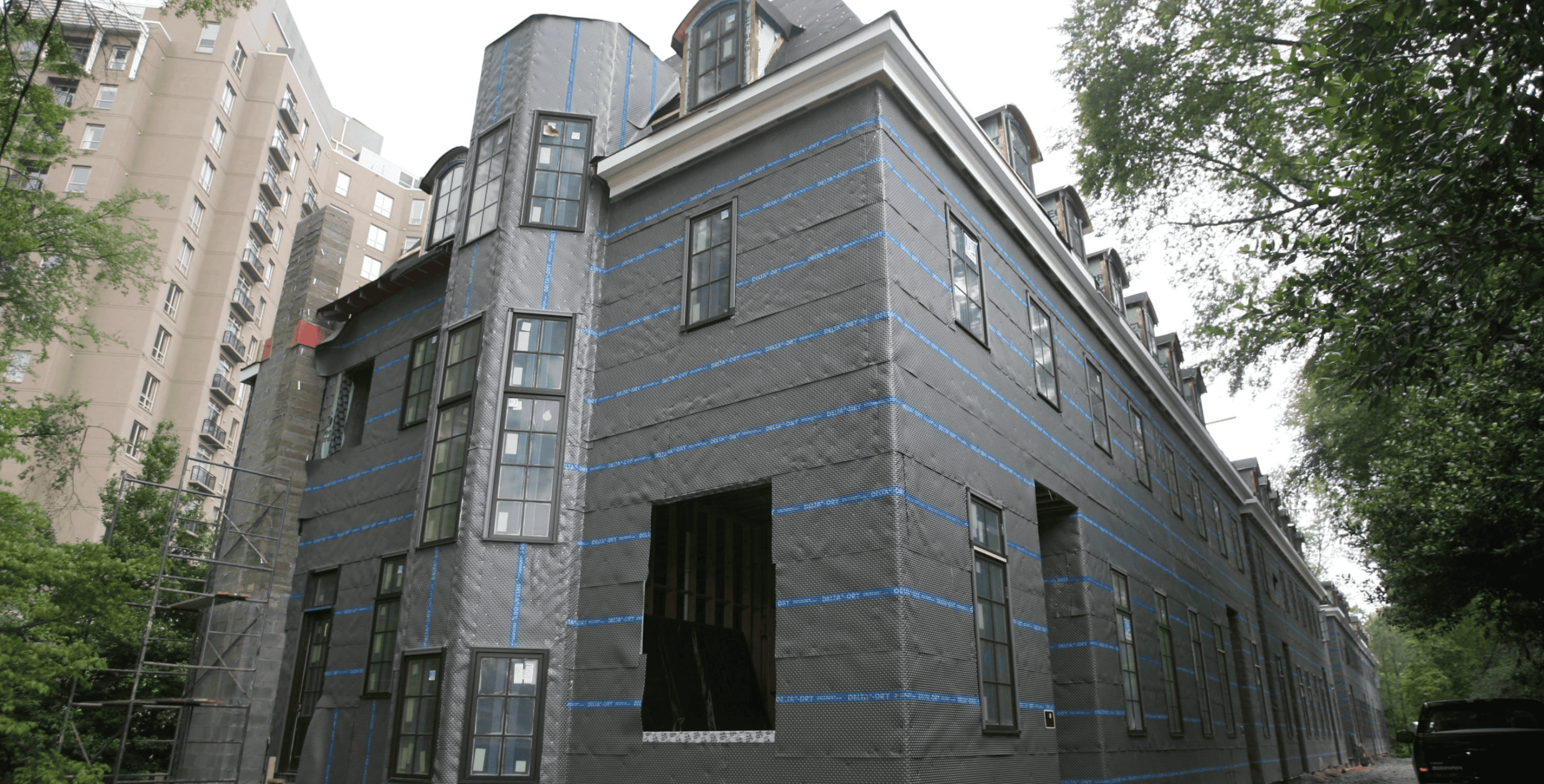
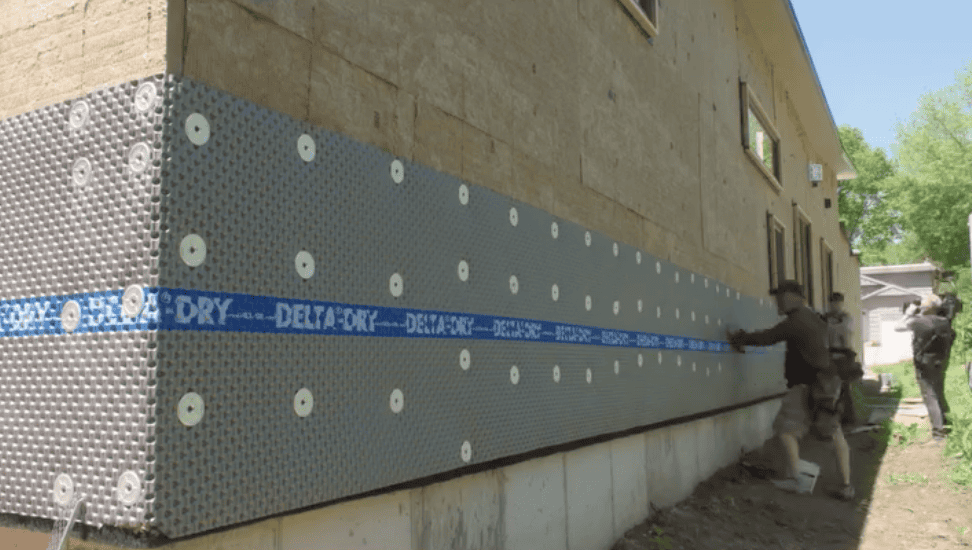
DELTA-DRY Rainscreen Systems: These systems are renowned for their dimpled sheet structure, which creates a highly effective air and drainage cavity while providing inherent resistance to mold growth.
-
DELTA-DRY Rainscreen: A 10.5mm (approx. 7/16-inch) dimpled sheet specifically engineered for maximum airflow and drainage behind traditional siding.
-
DELTA-DRY Stucco & Stone Rainscreen: This specialized variant is crucial for moisture-sensitive claddings. It provides the necessary separation and drainage without requiring wood furring strips, making it an excellent stucco rainscreen solution for managing the high volume of water stucco absorbs.
-
3. Cladding and Flashings
The final layer is the exterior cladding. However, even the most durable siding needs proper support and detailing. Accessories like DELTA-FLEXX BAND—a flexible, watertight sealing material—are essential for integrating the WRB with windows, doors, and complex transitions, ensuring the entire wall system remains sealed and secure. Rainscreen installation demands meticulous attention to flashing details to manage water at every interruption point.
Targeting Specific Claddings: Stucco,
Stone, and Masonry
While all claddings benefit from a rainscreen, mass-produced systems like traditional stucco, thin stone veneer, and masonry are especially vulnerable to moisture problems. These materials absorb a significant amount of water, and when this moisture is trapped against the sheathing, failure is guaranteed.
For contractors and builders focusing on these sensitive applications, a combined solution is the smartest choice:
-
DELTA-DRY & LATH Rainscreen: This innovative product integrates the dimpled drainage mat (the rainscreen) with a layer of polypropylene lath. This hybrid system simplifies installation for traditional stucco and stone applications, providing the crucial drainage plane and the necessary substrate for plaster or mortar adhesion in a single step. It is a game-changer for reducing labor time while ensuring long-term performance and minimizing the risk of failure in the building envelope.
Using a specialized product like DELTA-DRY & LATH directly addresses the historical challenges associated with stucco—namely, the inability of the wall to drain and dry properly. This ensures that the aesthetic appeal of a stucco finish does not come at the expense of structural integrity.
Recommendations for Professional
Builders and Homeowners
The choice of the best rainscreen depends heavily on climate, budget, and the chosen cladding type.
For Contractors and Volume Builders:
Prioritize systems that simplify installation and offer flexibility. Bulk buying options, such as the Mortairvent SKID options or DELTA-DRY Skid of 24 rolls, provide significant cost advantages and ensure consistency across large projects.
-
Standard Siding (Wood, Fiber Cement): Mortairvent 202 (6mm) is an excellent, cost-effective choice that provides sufficient drainage and ventilation in all but the wettest environments.
-
Stucco, Stone, and Masonry: Opt for the integrated solution: DELTA-DRY & LATH Rainscreen or DELTA-DRY Stucco & Stone Rainscreen. The dimpled structure is engineered to handle the unique moisture dynamics of these materials.
-
Detailing: Do not skip the accessories. High-quality adhesive flashing like DELTA-FLEXX BAND is crucial for ensuring continuity and sealing around penetrations.
For Homeowners and Custom Builders:
Focus on maximizing durability and performance, especially in challenging climates. While installation might be slightly more complex, the benefits of enhanced protection are substantial.
-
Wet Climates or High-Performance Walls: Invest in the thicker, more robust drainage cavity provided by Mortairvent 203 (10mm) or the DELTA-DRY 10.5mm systems. The added thickness ensures a stronger, more reliably ventilated air space, which speeds up drying.
-
Long-Term Mold Prevention: The engineered design of the dimpled drainage mats (DELTA-DRY) helps create an air space that resists the pooling of water and associated risks of mold and mildew, safeguarding your indoor air quality.
The Ultimate Defense Against Moisture
Damage
The choice to implement a dedicated rainscreen system is a proactive decision that safeguards the entire structure from the costly and often catastrophic effects of moisture intrusion. Whether you are a contractor building dozens of homes or a homeowner embarking on a crucial renovation, selecting a premium drainage mat like the Mortairvent or DELTA-DRY series ensures you are meeting the highest standards of building envelope performance.
A modern wall assembly must drain fast and dry faster. These world-class rainscreen solutions are your best insurance policy against the elements, guaranteeing structural health and longevity for decades.
Stop settling for vulnerable wall assemblies and implement a proven, high-performance solution today.
Order Now at spycorbuilding.com to implement the world-class Mortairvent and DELTA-DRY rainscreen systems—the definitive solution for effective moisture management—a critical step to protect spycorbuilding.com. Visit spycorbuilding.com today for competitive pricing and bulk skid options on the industry’s leading drainage mats and accessories.
FAQ: Rainscreen Systems and Wall
Drainage
What is the minimum recommended air gap for a residential rainscreen system?
The minimum recommended air gap for effective drainage and ventilation is typically 1/4 inch (6mm), as provided by systems like the Mortairvent 202. However, many building science experts recommend 3/8 inch or more (like the Mortairvent 203 or DELTA-DRY 10.5mm) to ensure superior drying capability, especially in regions with high rainfall or high-vapor-drive climates. A thicker gap is also safer when installing heavy claddings like stone veneer, as it provides more space for debris to fall without clogging the drainage plane.
Can I use a rainscreen system behind traditional wood or vinyl siding?
Absolutely. While traditionally associated with masonry or stucco, rainscreen systems are highly beneficial for all cladding types, including wood, fiber cement, and vinyl siding. These systems prevent moisture from getting trapped at the back of the siding where it contacts the WRB, mitigating paint failure, wood rot, and overall deterioration. Using a residential rainscreen drainage mat is a significant upgrade over simply installing furring strips, as the mat provides continuous separation and drainage over the entire wall surface.
How do rainscreen mats like DELTA-DRY handle stucco or mortar without the gap getting clogged?
The products are specifically engineered to prevent clogging.
-
Mortairvent products use a specialized mesh design (often referred to as a filter fabric) that allows water to pass through but holds cementitious materials (like mortar or stucco) away from the drainage space.
-
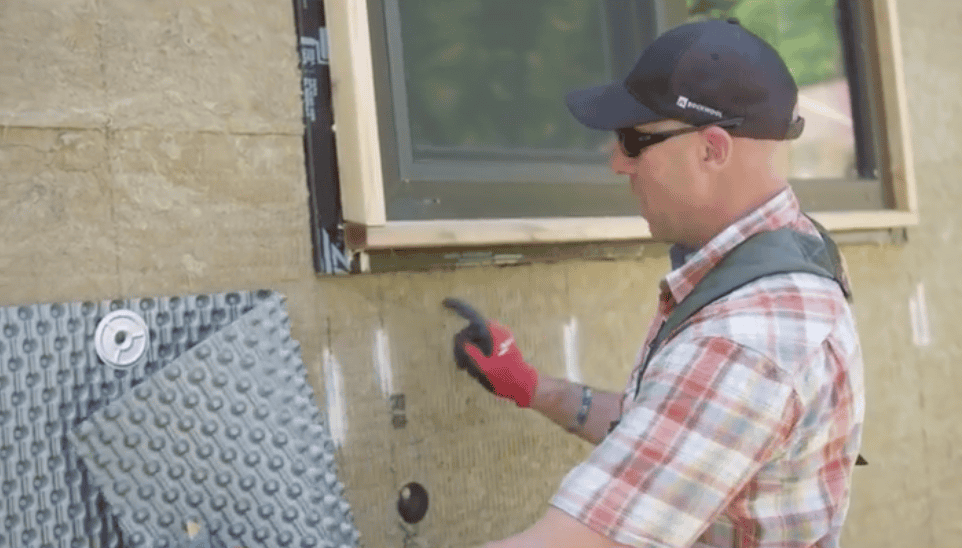
DELTA-DRY systems use a structured, dimpled geometry that creates an open, continuous cavity. For stucco, products like DELTA-DRY & LATH integrate the lath necessary for stucco application above the drainage cavity, ensuring the drainage space remains clear and functional.
Does a rainscreen system replace the need for a Water-Resistive Barrier (WRB)?
No. A rainscreen system works in conjunction with the WRB; it does not replace it. The WRB is the primary, continuous water barrier applied directly to the sheathing. The rainscreen drainage mat is installed over the WRB to manage the water that inevitably penetrates the cladding and hits the WRB. The two components work together to form a robust, high-performance building envelope.
How does a rainscreen help with energy efficiency?
Beyond structural protection, the air cavity created by the rainscreen contributes to the wall's energy performance. This continuous air space acts as a thermal break, interrupting thermal bridging between the exterior cladding and the rest of the wall assembly. In hot climates, this can reduce solar heat gain transfer into the wall; in cold climates, it helps the wall shed moisture more effectively, which improves the insulating performance of the internal materials.