Posted by Spycor Building on Jul 11th 2023
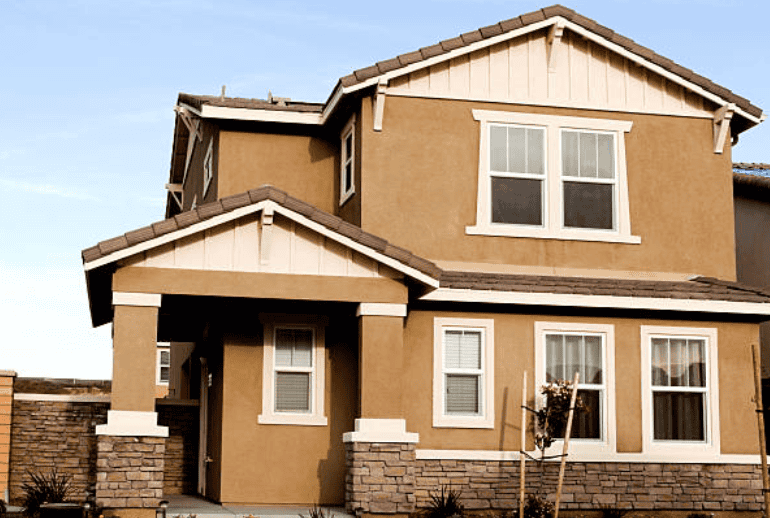
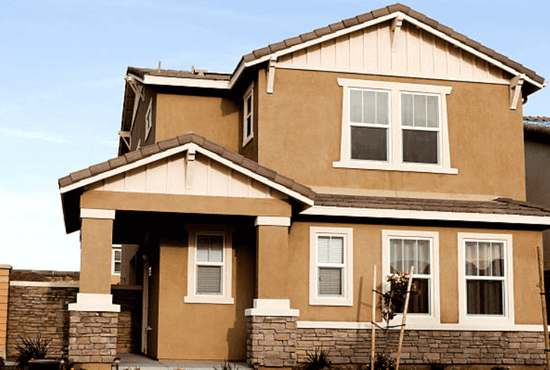
For custom home builders and commercial developers, the facade is more than a design choice—it is a liability management system. When working with reservoir claddings like adhered stone veneer or conventional stucco, the question isn't if moisture will penetrate the surface, but how the wall assembly will handle it once it does.
Traditional building paper or simple wraps are often insufficient for the demands of modern high-performance building envelopes. To prevent structural rot, mold litigation, and "solar-driven moisture" (where heat pushes water vapor into the sheathing), professional contractors are increasingly turning to the DELTA®-DRY STUCCO & STONE ventilated rainscreen.
The Problem with Traditional Stone and Stucco Installations
Stucco and stone are "absorptive" materials. They act like sponges, soaking up rainwater and holding it against the wall. Without a dedicated drainage and ventilation path:
-
Capillary Action: Moisture stays trapped against the water-resistive barrier (WRB), eventually finding a path through staples or nail penetrations.
-
Solar Drive: When the sun hits a damp stone wall, it creates vapor pressure that drives moisture inward, potentially saturating the OSB or plywood substrate.
-
The "Mortar Plug" Risk: Standard rainscreens often fail during application because the mortar scratch coat fills the drainage gaps, rendering the system useless.
Why DELTA®-DRY STUCCO & STONE is the Industry Standard
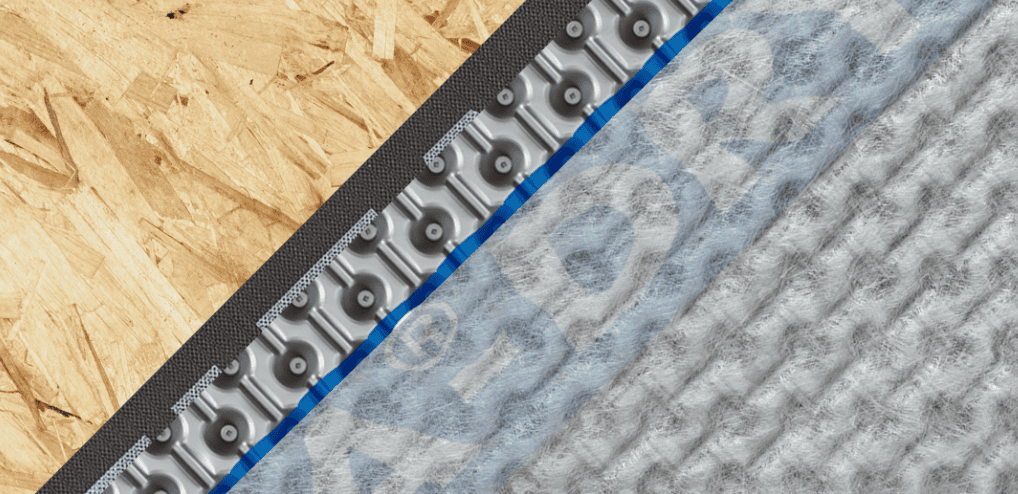
DELTA®-DRY STUCCO & STONE solves these issues with a specialized 2-in-1 design. It is a 10.5 mm thick, High-Density Polyethylene (HDPE) membrane that creates a dual-sided air gap.
1. Dual-Chamber Ventilation
Unlike flat wraps, this membrane features a "dimple and groove" structure. It provides a drainage path for bulk water on the exterior side and a ventilation path for incidental moisture on the interior side. This allows the building to "breathe" from both directions, ensuring the substrate stays dry regardless of humidity levels.
2. The Integrated Mortar Screen
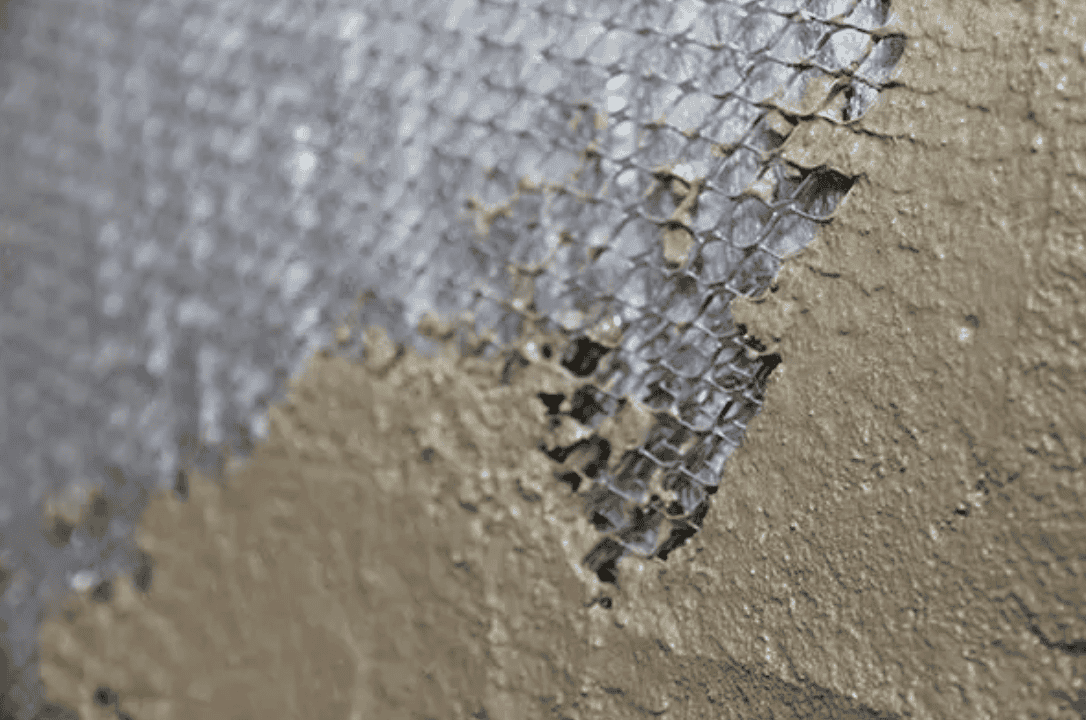
This is the specific feature that captures the commercial market. The membrane comes with a factory-pre-installed polypropylene fabric (mortar screen).
-
Zero Mortar Infill: The screen prevents the scratch coat from falling into the dimples.
-
Labor Efficiency: Your team can apply the scratch coat directly over the membrane. There is no need for a separate layer of fabric, reducing on-site labor costs and installation errors.
3. Comprehensive Capillary Break
Because HDPE is non-absorbent, it acts as a total capillary break. It stops liquid water and water vapor from migrating from the cladding into the wall assembly.
Technical Specifications for Project Managers
For those managing bulk fulfillment and large-scale residential developments, the logistics of the product are as impressive as the performance:
-
Material: HDPE with a Polypropylene geotextile.
-
Roll Size: 3’3” x 46’ (Standard roll) or high-volume skid options.
-
System Thickness: 10.5 mm (0.41 inches).
-
Compression Strength: High resistance to crushing during the masonry application.
-
Chemical Resistance: Immune to fungus, rot, and the alkaline nature of mortar.
Application Guide: Best Practices
To maintain the warranty and ensure maximum performance, follow these professional installation steps:
-
Substrate Prep: Ensure a high-quality WRB (Water-Resistive Barrier) is correctly installed and flashed around all windows and penetrations.
-
Horizontal Alignment: Install the membrane horizontally, starting from the bottom.
-
Butt Joints: Do not overlap the membrane. Butt the edges tightly together.
-
Mechanical Fastening: Use cap nails or staples to secure the membrane to the studs.
-
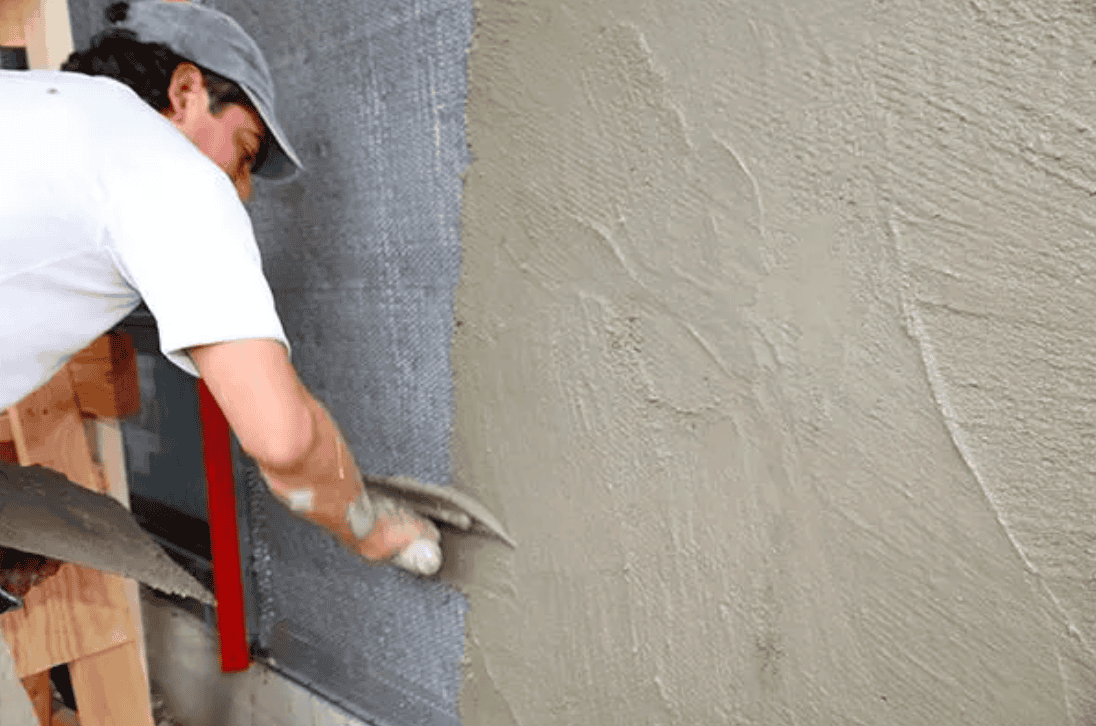
Direct Application: Apply the lath and scratch coat directly over the mortar screen. The fabric will keep the drainage channels clear for the life of the building.
Commercial Advantage: Scalability and Risk Mitigation
For Commercial Property Developers, the ROI on a high-performance rainscreen is found in the absence of "callbacks." A stucco failure on a multi-family project can cost hundreds of thousands in remediation. Implementing a system like DELTA®-DRY STUCCO & STONE provides:
-
Reduced Liability: Documentation of a ventilated rainscreen is a powerful defense in construction defect claims.
-
Energy Efficiency: By keeping insulation dry, the building maintains its design R-value, contributing to LEED points and lower long-term operating costs.
-
B2B Fulfillment: Sourcing through specialized distributors ensures that project timelines are met with bulk availability.
Procurement: Secure Your Project Materials
For large-scale projects, supply consistency is critical. Source DELTA®-DRY STUCCO & STONE in bulk skids from Spycor Building Products to ensure your crew has the coverage required for high-volume builds."
Click Here to order DELTA®-DRY STUCCO & STONE.
Frequently Asked Questions (FAQ)
What is the difference between Delta-Dry and Delta-Dry Stucco & Stone?
The standard Delta-Dry is designed for siding applications. Delta-Dry Stucco & Stone includes a factory-bonded mortar screen. This fabric prevents mortar from clogging the drainage channels during the scratch coat application, which is essential for masonry claddings.
Does this product replace the Water-Resistive Barrier (WRB)?
No. DELTA®-DRY STUCCO & STONE is a rainscreen and drainage plane. It must be installed over a code-compliant WRB or house wrap to provide a complete weather-tight system.
Can I use this for thin brick applications?
Yes. Any adhered masonry veneer—including thin brick, manufactured stone, and natural stone—benefits from the drainage and ventilation provided by this membrane.
Why is 10.5 mm thickness important?
A 10.5 mm gap is the professional standard for creating enough airflow to effectively dry out a saturated stucco wall. Thinner products may not provide sufficient ventilation to counteract solar-driven moisture.