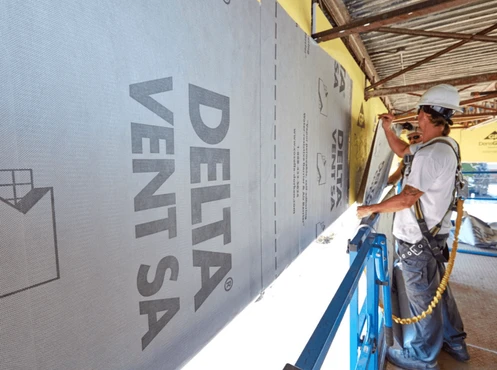
Posted by Spycor Building on Apr 30th 2026
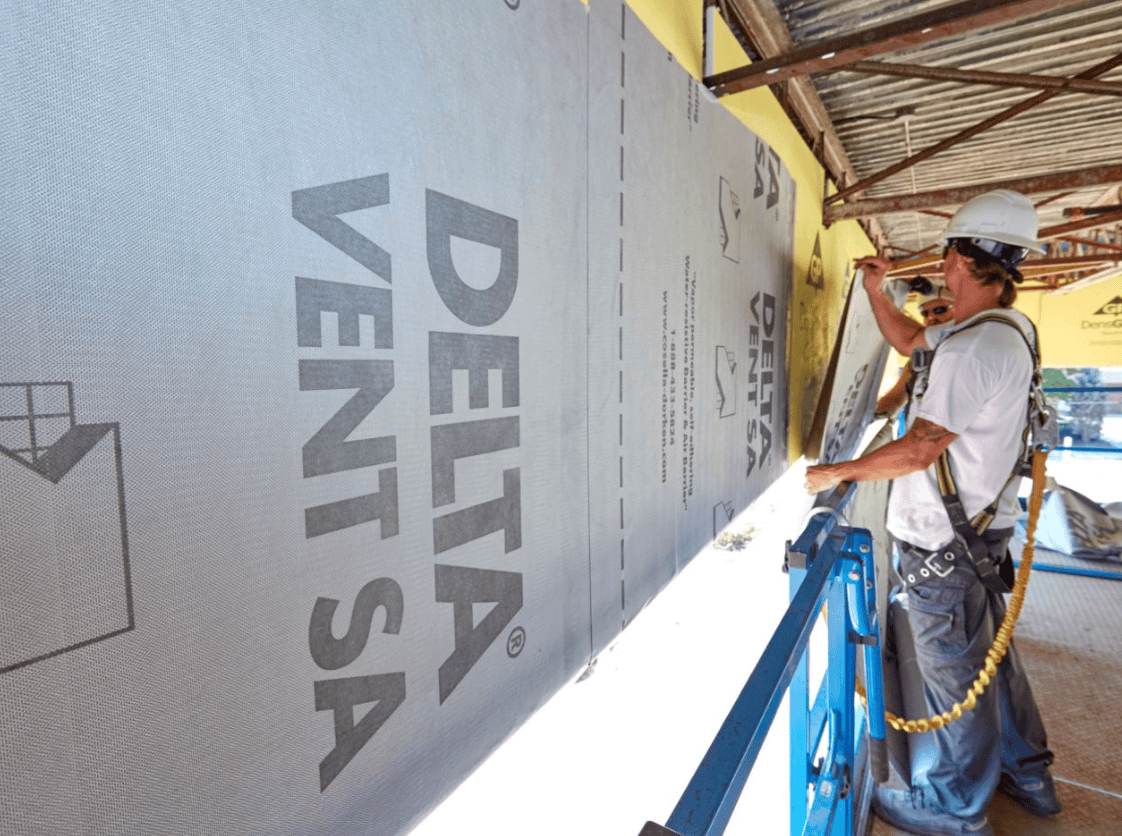
In modern commercial construction, the building envelope is the first line of defense against structural decay and energy loss. Selecting an air and water-resistive barrier (WRB) is no longer just about meeting minimum building codes; it is about protecting the long-term integrity of the structure and the health of its occupants.
DELTA®-VENT SA stands as a premier solution for professionals who demand a high-performance, self-adhered, vapor-permeable membrane. This guide provides a technical deep dive into its specifications, real-world applications, and why it is the preferred choice for architects and contractors nationwide.
Why High-Performance Vapor Permeability Matters
The primary challenge in commercial wall assemblies is managing moisture. Moisture enters walls through bulk water (leaks) and vapor (humidity). DELTA®-VENT SA addresses both with a specialized 3-layer polypropylene fabric that is fully airtight yet highly vapor-permeable.
With a vapor permeance of 50 perms, this membrane allows moisture within the wall cavity to escape to the outside. This "breathability" prevents the condensation that leads to mold growth, rot, and the premature failure of structural components.
Technical Specifications: The DELTA®-VENT SA Advantage
For specifiers and engineers, the performance of DELTA®-VENT SA is backed by rigorous ASTM testing and industry certifications.
1. Air and Water Tightness
-
Air Leakage: Tested to ASTM E2357, ensuring a continuous airtight seal that significantly reduces heating and cooling costs by eliminating uncontrolled air infiltration.
-
Water Penetration Resistance: Meets AATCC 127 standards, providing a robust shield against wind-driven rain.
2. Self-Adhered "Peel-and-Stick" Technology
Unlike mechanically fastened wraps, DELTA®-VENT SA features a full-surface, high-tack adhesive.
-
Eliminates Fastener Penetrations: No staples or cap-nails are required, which removes thousands of potential leak points in the building envelope.
-
Split-Release Liner: Designed for rapid installation, the split-liner allows for precise positioning and reduces labor time on the job site.
3. Durability and UV Resistance
-
Construction Delays: Projects rarely go according to the exact schedule. DELTA®-VENT SA is UV-stabilized to withstand up to 365 days of exposure (depending on climate zone), allowing for flexibility in cladding installation.
-
Tear Strength: The high-strength fabric resists damage from high winds and rough handling during the construction phase.
4. Fire Safety and Compliance
-
NFPA 285: Fully compliant for use in many non-combustible assemblies.
-
Material Safety: Contains no VOCs and is solvent-free, contributing to a safer environment for installers and occupants.
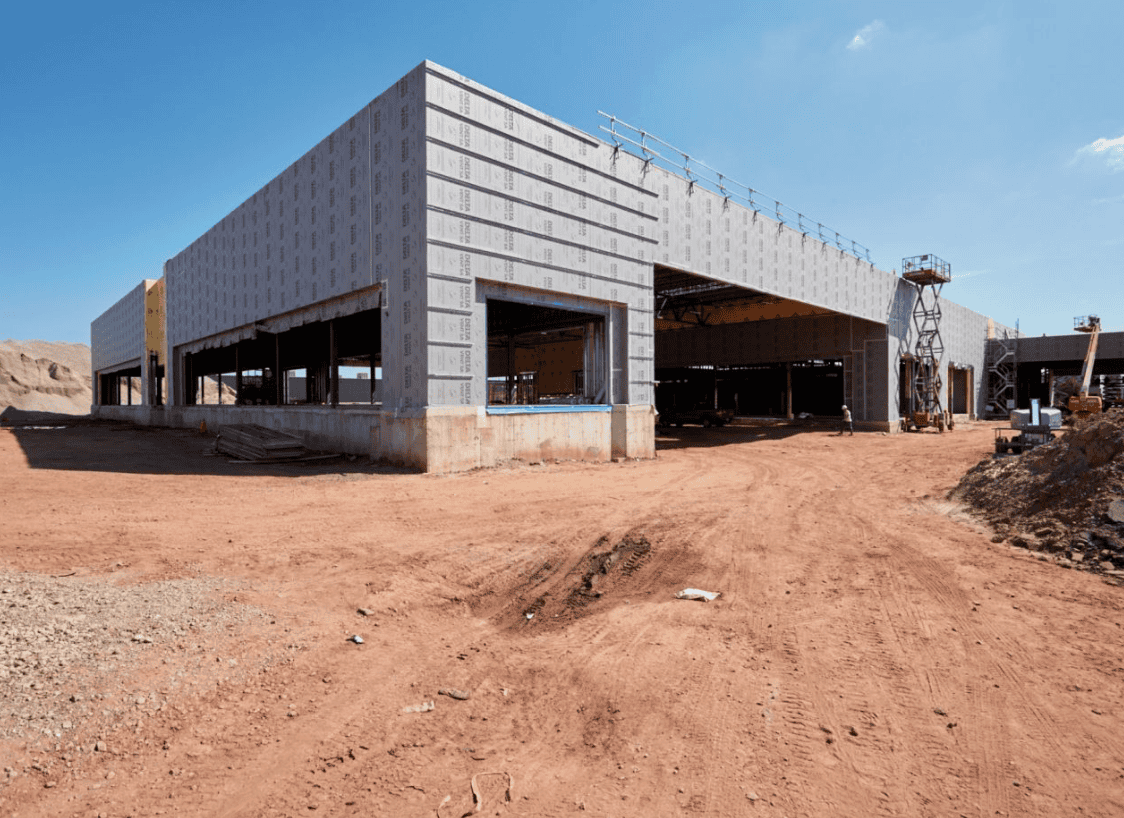
Targeted Applications for Commercial Projects
DELTA®-VENT SA is engineered for versatility across various substrates including OSB, plywood, masonry, and exterior-grade gypsum.
Commercial and Institutional Facades
In hospitals, schools, and office buildings, the "stack effect" can lead to massive energy loss. The airtight nature of DELTA®-VENT SA stabilizes the interior climate, ensuring that HVAC systems operate at peak efficiency.
Multi-Family Residential
For developers of high-density housing, long-term liability is a major concern. Using a premium vapor-permeable barrier minimizes the risk of mold-related insurance claims and ensures high occupant comfort by eliminating drafts.
Rainscreen Systems
The matte dark gray finish of DELTA®-VENT SA makes it an ideal backdrop for open-joint cladding systems. It provides a clean, professional aesthetic behind metal panels or stone veneers while maintaining its core protective functions.
Installation Efficiency: A Win for Contractors
Time is the most expensive variable on a commercial site. DELTA®-VENT SA is designed to streamline the installation process:
-
Surface Preparation: Ensure the substrate is clean and dry. Use DELTA®-HF PRIMER for applications on masonry or in cold weather.
-
Alignment: The split-release liner allows the installer to align the top half of the sheet before committing the entire roll to the adhesive.
-
Laps and Seams: Maintain a minimum 2 ½” (6 cm) overlap at all horizontal and vertical seams to ensure a continuous seal.
-
Rolling: Use a weighted roller to ensure maximum contact and adhesion to the substrate.
Where to Buy DELTA®-VENT SA
When sourcing high-performance building materials, availability and logistics are critical. Spycor Building Products provide specialized procurement for large-scale projects, ensuring your crew has the materials they need without the typical lead-time delays.
Ready to secure your building envelope?
Buy DELTA®-VENT SA (4' 11" x 115') at Spycor Building Products
Order by the roll or in bulk to take advantage of our specialized contractor pricing and fast shipping.
Frequently Asked Questions (FAQ)
Is a primer always required for DELTA®-VENT SA?
While DELTA®-VENT SA is highly adhesive, a primer like DELTA®-HF PRIMER is recommended for masonry substrates, OSB in certain conditions, and for applications in temperatures below 40°F (4°C) to ensure a permanent bond.
Can it be used behind brick veneer?
Yes. It is an excellent WRB for brick veneer applications, as it handles the air gaps and moisture inherent in masonry cavity walls while allowing the assembly to dry outward.
What is the difference between DELTA®-VENT SA and DELTA®-VENT S?
The "SA" stands for Self-Adhered. While DELTA®-VENT S is a mechanically fastened high-permeability wrap, the SA version provides a superior air seal and eliminates the need for fasteners, making it the preferred choice for high-performance commercial specs.
Does DELTA®-VENT SA meet NFPA 285?
Yes, it has been tested and is part of numerous NFPA 285 compliant wall assemblies. Always refer to the specific assembly report for your project’s requirements.
How does the 50 perm rating benefit the building?
A higher perm rating means higher breathability. In climates with high humidity or in buildings with high internal moisture loads, a 50-perm rating ensures that moisture does not get trapped, which is the leading cause of structural rot in modern "tight" buildings.