Posted by Spycor Building on Mar 26th 2025
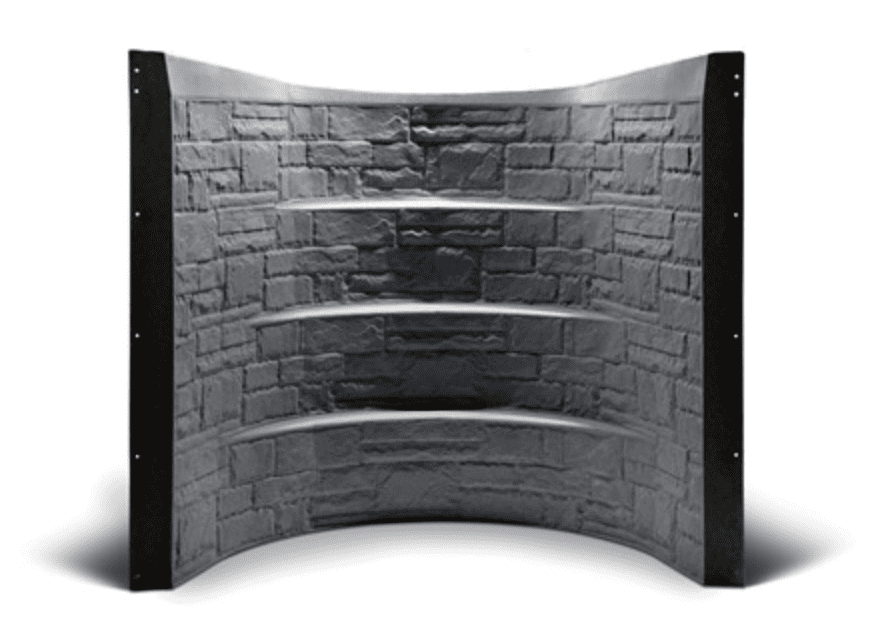
If your basement has below-grade windows, choosing the right window well is more important than many homeowners realize. A good window well does more than just sit outside the window. It helps protect your basement from moisture problems, allows more natural light into the space, improves ventilation, and in some cases provides a safe emergency escape route.
Whether you are shopping for a basement window well, an egress window well, or a durable window well cover, understanding the basics before you buy can save you time, money, and frustration later. Not all window wells are the same, and the best choice depends on your basement layout, your local code requirements, and how you plan to use the space.
In this guide, we’ll walk through what window wells are, why they matter, the different types available, and what to look for before making a purchase.
What Is a Window Well?
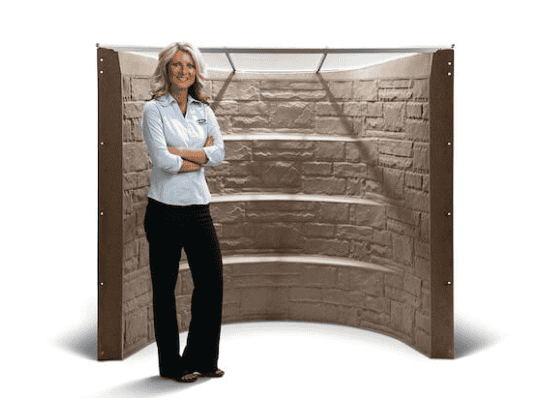
A window well is a structure installed around a basement window that sits below ground level. Its main job is to hold back the surrounding soil and create open space around the window.
That open space matters for several reasons. First, it allows sunlight to enter the basement, which can make the room feel brighter and more comfortable. Second, it helps with airflow when the window is opened. Third, it prevents dirt, pressure, and water from sitting directly against the window.
For homes with finished basements, window wells are often an essential part of making the space feel more livable. For homes with basement bedrooms, they may also be required for emergency escape.
Why Window Wells Matter
A lot of people think of window wells as a simple add-on, but they actually play a big role in basement protection and usability.
One of the biggest benefits is safety. If you have a basement bedroom or finished living space, local code may require an egress window well that gives someone enough room to exit through the window during an emergency.
Another major benefit is natural light. Basements can feel dark and enclosed, but the right window well helps bring in more daylight and makes the space feel less closed off.
Window wells also help with moisture control. When properly installed with drainage in mind, they can help reduce the risk of water collecting around the basement window. That can make a big difference in preventing leaks, dampness, and long-term water damage.
And finally, they can improve ventilation. Fresh air moving through basement windows can help reduce stuffiness and improve comfort in the space.
Different Types of Window Wells
Before buying, it helps to understand the main categories of window wells and what each one is designed to do.
Egress Window Wells
An egress window well is made for basement windows that may need to serve as an emergency exit. These wells are typically larger than standard options and are designed to meet code requirements for safe escape.
If your basement includes a bedroom, office, or finished living area, an egress window well may be required depending on local building codes. In these situations, size and accessibility matter just as much as appearance.
Standard Basement Window Wells
A standard basement window well is usually used when the goal is to provide light, airflow, and basic protection for a below-grade window. These are common in unfinished basements or utility areas where emergency egress is not required.
They still serve an important purpose, especially when paired with proper drainage and a quality cover.
Decorative Window Wells
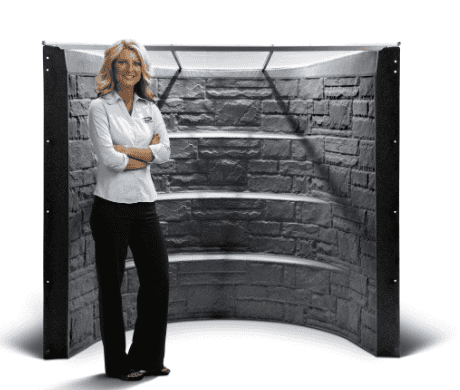
Some homeowners want function and appearance. Decorative window wells are designed to improve the look of the home exterior while still providing the benefits of a traditional well. Stone-look styles are especially popular because they create a more finished appearance around the basement window area.
For homes where curb appeal matters, this can be a smart upgrade.
How to Choose the Right Window Well
Buying the right window well starts with understanding your specific needs.
The first thing to consider is window size. The well should fit the dimensions of the basement window and provide enough room for the intended use. If it is too small, it may limit light, reduce accessibility, or fail to meet code for egress applications.
Next, think about how the basement is being used. Is it a bedroom? A finished entertainment room? A storage space? A utility basement? If the window may need to function as an escape route, that immediately changes what type of well you should buy.
You should also think about durability. A window well has to stand up to soil pressure, changing weather, and seasonal moisture. Choosing a well-built product is important if you want long-term performance and lower maintenance.
And of course, don’t overlook drainage. Water buildup is one of the most common problems with basement window wells. Even a strong, attractive window well can become a problem if water has nowhere to go. Drainage planning should always be part of the decision.
Why Window Well Covers Are Worth It
A window well cover is one of the best ways to protect your investment after installation. Covers help keep out leaves, debris, rain, pests, and snow. They also reduce maintenance and can improve safety around the opening.
For many homeowners, a cover is not just an accessory — it is a practical upgrade that helps the window well perform better over time.
If you are buying an egress window well cover, make sure it can still be removed easily in an emergency. The cover should protect the opening without interfering with safe exit.
Common Mistakes to Avoid
One of the biggest mistakes buyers make is ignoring drainage. If water collects in the well, it can eventually lead to leaks, moisture problems, or even basement flooding.
Another common issue is buying the wrong size. A poorly sized well can create installation problems and may not work properly for the window it is meant to protect.
Skipping the cover is another mistake. An uncovered well can quickly fill with leaves, dirt, water, and pests, turning a useful feature into a maintenance headache.
And finally, many buyers focus too much on price and not enough on long-term value. A cheaper option may not hold up as well, especially in areas with heavy rain, snow, or freeze-thaw weather.
Should You Install a Window Well Yourself?
Some smaller window well projects may be manageable for a confident DIY homeowner, but installation is not always simple. It often involves excavation, fastening the well securely, and making sure drainage is handled correctly.
If the project involves a deeper well, foundation attachment, or code-compliant egress requirements, professional installation may be the better choice.
Done right, a window well can improve the function, safety, and appearance of your basement. Done wrong, it can create water and maintenance problems that are expensive to fix later.
Final Thoughts
Choosing the right window well is about more than just picking something that fits. It is about protecting your basement, improving light and airflow, and making sure the space is safe and functional.
Whether you need a standard basement window well, a larger egress window well, or a dependable window well cover, it pays to choose products built for performance and durability.
If you are ready to find the right option for your project, explore Spycor Building’s collection of window wells here:
Click Here to choose the best window wells based on your needs